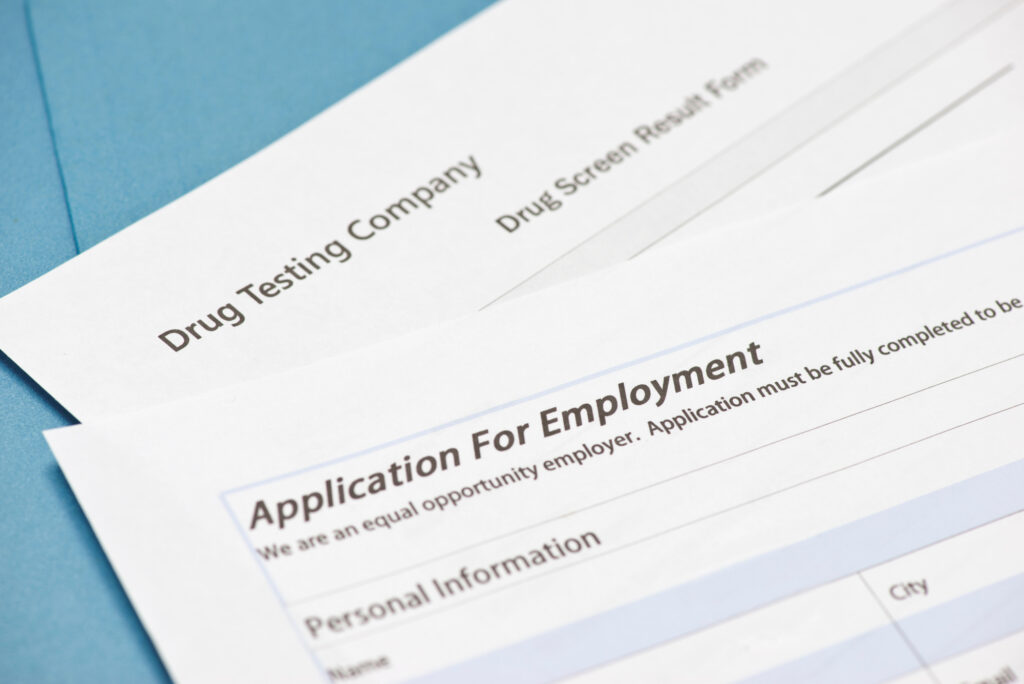
If you work at Qualcomm or are considering applying, you might have questions about their Employee Assistance Program (EAP) and whether drug testing is involved. For individuals struggling with substance use or seeking professional help, understanding workplace policies like these can be an important step toward protecting both health and employment. Here, we’ll explain how the Qualcomm EAP works and what employees should know about drug testing.
Start Your Journey By Getting Help Today
Our medical, clinical, and counseling staffs on site are available 24/7.
What Is Qualcomm’s Employee Assistance Program (EAP)?
The Qualcomm Employee Assistance Program (EAP) is a confidential benefit designed to support employees facing personal, emotional, or work‑related challenges. The goal of the EAP is to help employees address issues early, before they begin to impact job performance or overall well‑being.
The Qualcomm EAP program commonly offers support for mental health concerns, stress management, family or relationship challenges, grief, and substance use issues. The EAP may offer short‑term counseling, referrals to licensed providers, or guidance on finding appropriate treatment resources.
Is the Qualcomm EAP Confidential?
Confidentiality is a core feature of Qualcomm’s EAP. Employees who use the program can typically do so without their employer being notified. Information shared with EAP counselors isn’t disclosed to managers or Human Resources unless there is a serious safety concern or a legal obligation to report.
This confidentiality is especially important for employees seeking help for substance use or mental health concerns, as it allows individuals to explore support options without fear of immediate workplace consequences.
Qualcomm Drug Test Policy: What Employees Should Know
Questions about drug testing often come up when employees consider using an EAP or entering treatment. While policies can vary by role and location, Qualcomm’s approach to drug testing is generally limited and situational.
Does Qualcomm Drug Test?
For many corporate and professional roles, Qualcomm doesn’t routinely require pre‑employment drug testing. However, certain positions—such as those involving government contracts, security clearances, or safety‑sensitive responsibilities—may have additional screening requirements. Job‑specific expectations are usually communicated during the hiring process.
Random and Post‑Incident Drug Testing at Qualcomm
Qualcomm isn’t known for conducting random drug tests for most employees. Drug testing may occur after a workplace incident, if there is reasonable suspicion of impairment, or when safety concerns arise. In these cases, testing is typically handled according to company policy and applicable laws.
Does Qualcomm Drug Test Employees Who Use the EAP?
Using Qualcomm’s EAP doesn’t automatically result in drug testing. Employees who voluntarily seek help for substance use through the EAP can usually do so without triggering disciplinary action. However, if substance use directly affects job performance or leads to a workplace issue, standard HR procedures—including possible testing—may still apply.
Getting Help for Addiction Through Qualcomm’s EAP
Reaching out to the Qualcomm EAP program before substance use becomes a workplace problem can be a proactive and protective step. Early use of the EAP may help employees access professional support, understand treatment options, and address challenges before they escalate.
Employers generally view voluntary help‑seeking more favorably than waiting until performance issues arise, making the EAP an important first point of contact.
How Ocean Ridge Can Support Qualcomm Employees Seeking Rehab
Ocean Ridge works with individuals who may be referred through an Employee Assistance Program or who are seeking structured addiction treatment outside of the workplace. If your EAP counselor is recommending a higher level of care, Ocean Ridge provides clinically guided treatment options focused on stabilization, recovery, and long‑term health.
Our team understands the concerns professionals may have about privacy, employment, and next steps. Our drug and alcohol rehab for Qualcomm employees works collaboratively with referring providers to ensure continuity of care while helping individuals focus on recovery in a supportive, therapeutic environment.
Key Takeaways on Qualcomm’s EAP and Drug Testing Policies
Qualcomm’s EAP is designed to support employees, not punish them. The program is confidential, and drug testing isn’t automatic simply because someone seeks help. Most testing occurs only when there is a clear workplace‑related reason.
If you or someone you care about is considering using an EAP and needs professional addiction treatment, understanding these policies can help reduce fear and uncertainty. With the right information and support, it’s possible to address substance use concerns while protecting both health and career.
Reach out to us today to get answers to your EAP questions or explore supportive treatment options.
Start Your Journey By Getting Help Today
Our medical, clinical, and counseling staffs on site are available 24/7.
FAQs About Qualcomm’s EAP and Drug Testing Policy
Can a manager require an employee to use Qualcomm’s EAP?
In most situations, participation in Qualcomm’s EAP is voluntary. However, a manager may formally recommend the EAP if an employee is experiencing performance issues, attendance problems, or behavioral concerns. Even in these cases, the EAP’s role is supportive rather than disciplinary, and participation doesn’t automatically involve drug testing.
Does Qualcomm’s EAP cover family members?
Yes, the Qualcomm EAP typically extends support to immediate family members living in the employee’s household. This can include counseling referrals or short-term support for issues such as stress, mental health challenges, or substance use affecting a spouse or dependent.
Will using the EAP affect promotions or performance reviews?
Using the EAP alone shouldn’t impact promotions, raises, or performance evaluations. EAP participation is confidential and separate from performance management. Only documented workplace behavior or performance issues—not EAP use—are considered in evaluations.
Can Qualcomm employees use the EAP for prescription medication concerns?
Yes, employees can use the EAP to discuss concerns related to prescription medications, including misuse, dependency risks, or side effects. The EAP may help connect individuals with medical professionals or treatment resources without involving workplace discipline.
Does Qualcomm’s EAP provide treatment directly?
Qualcomm’s EAP doesn’t usually provide long-term treatment itself. Instead, it offers assessments, short-term counseling, and referrals to licensed providers or treatment programs when a higher level of care is needed.
What happens if an employee refuses drug testing at Qualcomm?
Refusing a drug test when one is required under company policy—such as after a workplace incident—may be treated as a policy violation. Consequences can vary depending on the situation, role, and local employment laws. You can check with HR for more information.
What happens if an employee refuses drug testing at Qualcomm?
Refusing a drug test when one is required under company policy—such as after a workplace incident—may be treated as a policy violation. Consequences can vary depending on the situation, role, and local employment laws. You can check with HR for more information.
Can a Qualcomm employee return to work after rehab through the EAP?
In many cases, yes. Employees who follow recommended treatment and meet return-to-work requirements may be able to resume their role. Some situations may involve a return-to-work agreement or ongoing expectations related to performance and safety.
Is Qualcomm’s drug testing policy the same worldwide?
No, drug testing policies can vary based on country, state, or local regulations. International employees or those working outside California may be subject to different rules depending on local labor laws and regulatory requirements.

Simon Abkarian is the Admissions Director with a focus on client care, overseeing comfort, and ensuring exceptional service. With four years of dedicated experience, Simon is committed to the success and well-being of every individual he serves. He brings a strong foundation in his own recovery journey, providing empathetic support and guidance to those seeking assistance.
Beyond his professional role, Simon is passionate about fostering a supportive environment and empowering others on their paths to recovery. His personal commitment to wellness and growth enriches his approach to admissions and client care, ensuring a compassionate and effective support system for all.