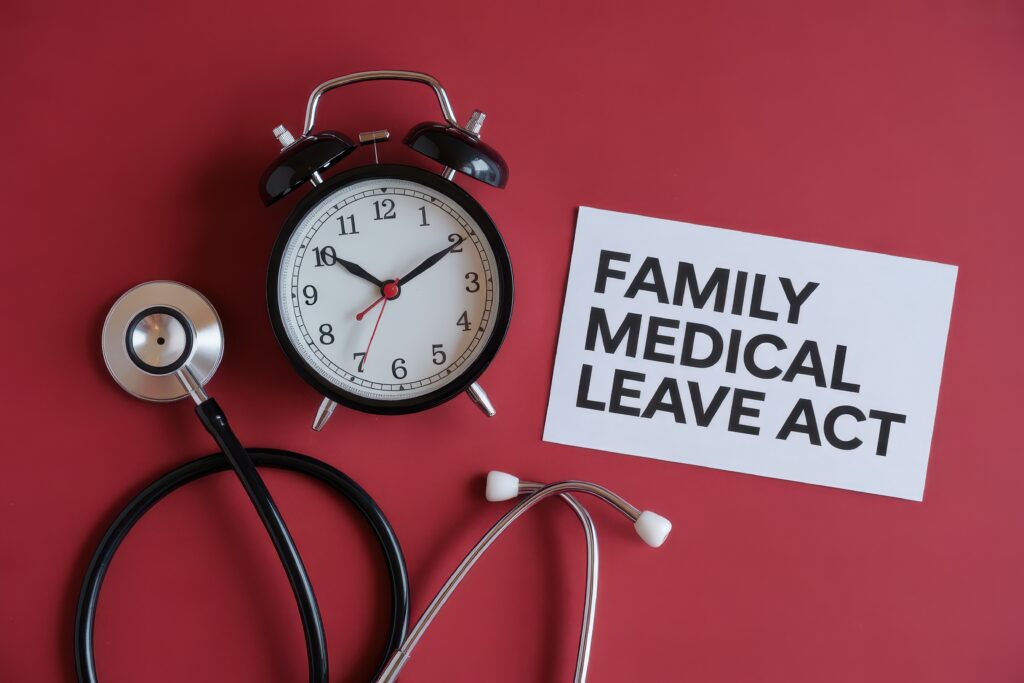
For many professionals, worries about work, insurance, and the long-term effect of taking time off can make it difficult to seek help right away. Waiting to seek out addiction treatment may feel more manageable in the moment, even when it’s not the best path forward.
Kentucky family leave rehab protections are designed to reduce some of that uncertainty. If you’re eligible and a healthcare provider supports treatment, you may be able to use medical leave for substance abuse treatment while keeping your job protections and health benefits in place.
Understanding Kentucky Family Leave Rehab and Recovery
For many employees in Kentucky, the Family and Medical Leave Act (FMLA) is the law that makes it possible to take protected time away from work for addiction treatment. It applies to eligible workers who need medical leave for a serious health condition, and substance use disorders may qualify when treatment is considered medically necessary and supported by a licensed healthcare provider.
Because Kentucky doesn’t have a separate statewide paid leave program covering this need, FMLA is usually the framework people depend on. When treatment is recommended by a qualified provider, it may allow you to step away from work for rehab while keeping important job protections in place.
The important distinction is that the leave must be connected to treatment itself. In other words, the protection applies when you’re taking time away to receive care.
What Kentucky Workers Should Know About FMLA
The first thing to know is that FMLA is a federal protection, so the same basic eligibility standards apply to employees throughout the state and across the country.
What Makes Someone Eligible for Kentucky Family Leave Rehab?
Eligibility for FMLA leave for addiction treatment in Kentucky usually depends on three main factors. Generally, you must have worked for your employer for at least 12 months, logged at least 1,250 work hours over the past year, and work for an employer that has at least 50 employees within 75 miles.
Once those requirements are met, FMLA may provide a set of protections that support time away for treatment. These might include:
Up to 12 weeks of job-protected leave each year
Continued group health insurance benefits during treatment
A return to the same or a comparable position after care
If you’ve been hesitating because you don’t want treatment to affect your future at work, these protections can offer a more stable path toward recovery.
Policies and Support for Kentucky Addiction Treatment Leave
Just because Kentucky doesn’t currently have a statewide paid family and medical leave program doesn’t mean you’re out of options. You have FMLA, and some employers offer additional benefits that can help during treatment, including:
Employer-provided medical leave
Short-term disability benefits
Extended health coverage
Internal wellness or employee assistance programs
A practical first step is to look closely at your workplace policies and speak with human resources about your options. Doing that can help you understand what protections are in place, what documentation may be needed, and what benefits you may be able to use while getting care.
What a Leave Request May Look Like in Kentucky
When it comes to pursuing Kentucky family leave rehab, you’ll need to start with two things: medical documentation and communication with your workplace. Although employer procedures can differ, the process for requesting leave is usually built around a few practical steps.
Step 1: Begin with Medical Guidance
The first step is usually speaking with a licensed healthcare provider who can review your situation and recommend treatment. When care is medically necessary, the provider can supply the documentation you need to support a leave request.
Step 2: Turn in FMLA Documentation
Once treatment is recommended, your employer may require formal FMLA paperwork. In many cases, this includes certification from your healthcare provider explaining that medical leave is necessary.
Step 3: Confirm Approval and Timing
After the forms are submitted, your employer reviews them to determine whether you are eligible for protected leave. This part of the process may also include confirming your leave dates and expected treatment timeline.
Step 4: Focus on Treatment
With leave approved, you can begin treatment and give your attention to recovery. Having protected time away from work can make it easier to focus on your care and overall well-being.
The Value of Traveling for Addiction Treatment
Treatment close to home works well for some people, but for others, a new environment can make a meaningful difference. Stepping away from familiar obligations, workplace pressure, and daily distractions often creates more space to focus on healing.
For professionals, especially, that distance can support a stronger start to recovery. It may feel easier to commit to treatment when you’re removed from the routines and expectations that have been making it harder to slow down and get help.
Private programs can offer:
Smaller treatment groups
Increased privacy
Personalized treatment planning
Comfortable living environments
Professional-focused support
Our Locations
San Clemente, California
Del Campo House
Known For
Ocean Views
Private Rooms
Beach Accessibility
Key Amenities
Grass Yard for Dogs
Ocean View Workspace
Pool Table
How to get there:
Just 2 minutes off Highway 5, and less than 20 minutes away from Orange County Airport
Recovery Support Designed with Professionals in Mind
Ocean Ridge provides addiction treatment in a setting that feels both private and grounded. The goal is to help professionals step away from the demands of daily life, engage fully in treatment, and receive individualized care in a structured and supportive environment.
Residential Treatment
Residential treatment gives you a steady, supportive environment where recovery can become your main focus. Living on site helps create distance from everyday pressure, making it easier to settle into healthier routines and receive ongoing clinical support each day.
EAP and Working Professionals Treatment
We frequently work with professionals who are trying to enter treatment while also navigating workplace concerns. That experience can make the process feel clearer and more manageable, especially when employee assistance programs or leave questions are part of the conversation.
Executive Rehab Program
Our executive rehab program is designed for professionals who need care that feels private, focused, and responsive to the demands of a high-responsibility role. It offers a more individualized treatment experience for people who need to prioritize recovery while staying appropriately connected to essential obligations.
Pet-Friendly Accommodations
For some people, having a pet nearby can make entering treatment feel less intimidating. Private rooms and secure outdoor spaces allow that sense of familiarity and comfort to remain part of the recovery experience.
Phone and Laptop Friendly
Some professionals feel more prepared to enter care when they know limited communication may still be available. This flexibility can support a smoother transition into treatment while helping you stay connected to important responsibilities in a way that doesn’t pull attention away from recovery.
Evidence-Based and Holistic Therapies
We blend clinical care with holistic support to treat recovery in a more complete way. This approach can support emotional healing, physical wellness, and greater mental clarity as you work toward lasting change.
Speak with Someone About Your Next Step
If you’re looking for more clarity around Kentucky family leave rehab laws and finding the right fit for addiction treatment, it can help to have a conversation with a team that understands the process. We’ll help you explore possible treatment paths, explain which levels of care may be appropriate, and answer your questions about admissions.
Yes, as long as you meet FMLA eligibility requirements and a healthcare provider recommends treatment. Approved care may include detox, residential rehab, outpatient treatment, or therapy.
Can FMLA be used for outpatient rehab or therapy visits?
Yes, in some cases. When treatment is medically necessary and you qualify for FMLA, leave may be used for therapy appointments, outpatient rehab, or other approved forms of care. That can also mean leave is taken on a scheduled or intermittent basis rather than all at once, depending on the treatment plan.
Can an employer require you to use paid time off during rehab leave?
Sometimes. FMLA itself is unpaid, but your employer may require that you use available paid leave, such as vacation time, sick leave, or other paid benefits, to run at the same time as FMLA. That usually depends on company policy and how the leave is classified.
What should you do if your employer says your FMLA forms are incomplete?
In most cases, your employer must explain what information is missing and give you an opportunity to correct it. Employees are generally given at least 15 calendar days to return certification, and if the paperwork is incomplete or insufficient, the employer usually must point out the issue in writing and allow additional time to fix it.
Are there cases where you don’t return to the same job after FMLA leave?
Usually, employees who qualify for FMLA are entitled to return to the same job or a nearly identical position.
Health Insurance Companies That We Work With
CALL 24/7 (888) 897-1978, We’re here to help you get the information you need.
In addition to the providers above, we also work with CIGNA, and most major PPO providers.