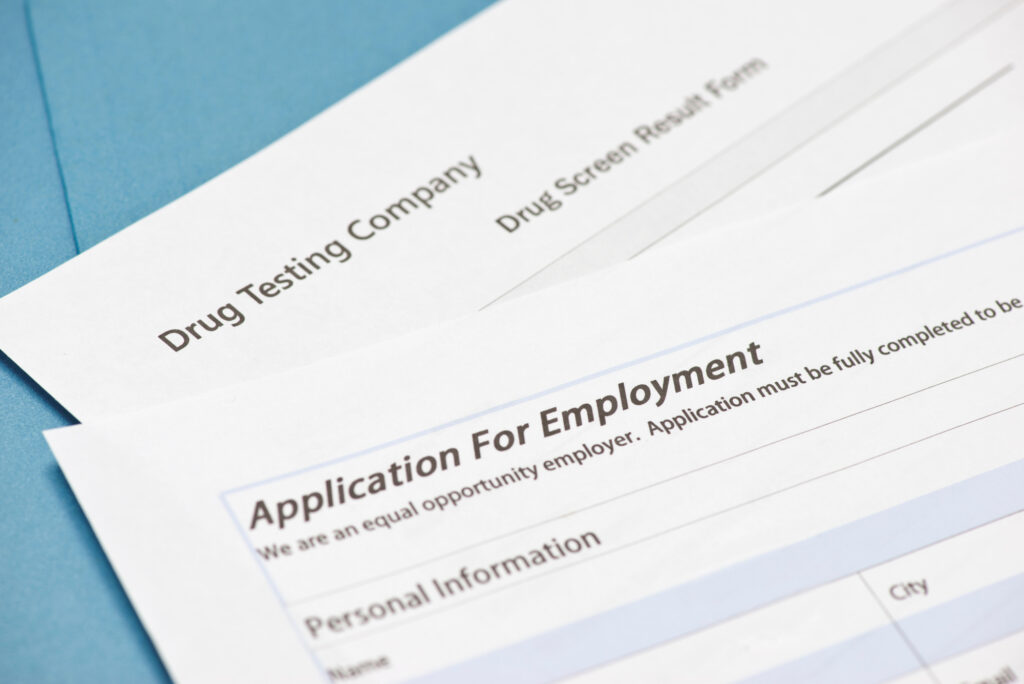
Quick Answer: A company rehab leave policy is the set of medical leave options an employer offers that may allow an employee to step away for addiction treatment, including FMLA, PTO, sick leave, short-term disability, or approved unpaid leave. For example, eligible employees can take up to 12 weeks of unpaid, job-protected federal FMLA leave for substance use disorder treatment when care is provided by a healthcare provider.
At Ocean Ridge, we’re here to help you explore your options and find care that works for your situation.
Start Your Journey By Getting Help Today
Our medical, clinical, and counseling staffs on site are available 24/7.
What Does a Company Rehab Leave Policy Usually Include?
A company rehab leave policy is the set of workplace rules and benefits that may allow an employee to take approved time off for addiction treatment. Most companies don’t label it that way in an employee handbook, which is part of why so many people assume no option exists.
Leave for rehab is usually handled through a mix of medical leave policies, FMLA for eligible employees, PTO or sick time, short-term disability benefits, approved unpaid leave, or workplace accommodations in some situations. The exact path depends on your employer, benefits package, and individual eligibility.
What Types of Leave Laws or Benefits Can Help You Go to Rehab?
Several workplace protections may help cover employee leave for addiction treatment, and which ones apply depends on the employer, location, and eligibility. Many people benefit from understanding all of them before having any conversation with HR.
- FMLA: The Family and Medical Leave Act may allow eligible employees to take unpaid, job-protected leave for qualifying medical reasons, including certain treatment situations involving substance use disorder.
- PTO or Sick Leave: Some employees use accrued paid time off or sick days to cover treatment, assessments, or part of a leave period.
- Short-Term Disability: This may provide partial income replacement when a medical condition temporarily prevents someone from working.
- ADA Accommodations: In some situations, the Americans with Disabilities Act may support reasonable accommodations, such as schedule changes, modified duties, or leave.
- State Leave Programs: Some states offer additional medical leave protections or disability benefits beyond federal law.
Can I Take Leave from Work for Rehab?
Many employees use existing leave programs to attend detox, residential rehab, and continued therapy related to substance use disorder. The options available usually depend on your employer’s size, job status, length of service, and benefits package.
The most useful first step is almost always understanding which leave options apply before making harder decisions like quitting or trying to push through alone. Fear of those harder decisions is what keeps a lot of people stuck.
How Can the FMLA Help with Rehab Leave?
The FMLA rehab leave policy framework allows eligible employees to take unpaid, job-protected leave for qualifying medical reasons for up to 12 weeks, including treatment for substance use disorder when care is provided or recommended by a healthcare provider. It’s one of the most important workplace protections available to employees who need time away for rehab.
FMLA doesn’t usually replace income, but it may protect a job while someone focuses on treatment and recovery. Eligibility typically depends on your employer’s size, length of employment, and hours worked.
For many people, FMLA creates the breathing room needed to get help without immediately facing resignation or job loss.
Can PTO Be Used for Rehab?
Some employees use accrued PTO, vacation days, or sick leave to cover part of the treatment time or to bridge gaps before other leave benefits begin. This can be especially useful for assessments or the first phase of care.
How PTO is used depends entirely on your employer’s policy. Reviewing the employee handbook or speaking confidentially with HR is usually the most direct way to find out.
Can You Go to Rehab Without Losing Your Job?
Employees often combine protected leave, PTO, sick time, disability benefits, and a planned return-to-work arrangement to step away for treatment without resigning. Many people are genuinely surprised at how many options exist once they start asking the right questions.
The better question is usually not whether someone will lose their job, but which protections and leave tools apply to their specific situation.
Can My Company Deny Leave for Rehab?
Whether an employer can deny leave for rehab depends on the type of leave requested and whether the employee qualifies for legal protections or employer-sponsored benefits. A general request for time off is handled very differently from a leave connected to FMLA, disability benefits, or another formal process.
This is exactly why understanding the available options before approaching work tends to be so important. Reviewing benefits documents or speaking privately with a qualified professional can change what feels like a forced decision into an informed one.
What if You Can’t Take a Long Leave from Work?
Feeling concerned about taking too much time off from work is common, especially among executives, business owners, and professionals in highly visible roles. The reality is that detox and residential treatment do require stepping away, and clinical needs often determine the minimum amount of time that is realistic.
What can help in these situations:
- Medical detox first, which is typically shorter than full residential and addresses the most urgent stabilization needs
- Coordinating treatment timing with FMLA, short-term disability, or accrued PTO so that income and job protection are in place
- Having an admissions team work directly with HR or a leave administrator to handle paperwork and timing
- Building a return-to-work plan as part of the treatment itself, not after
Trying to minimize time away is understandable, but the least disruptive option in the short term isn’t always the most effective one for long-term recovery.
What People Say About Treatment at Ocean Ridge
Hear from men and women who have found healing and long-term stability through our treatment programs.
How Does Ocean Ridge Support Working Professionals?
Ocean Ridge offers medical detox and residential treatment for working professionals who need a private, structured setting to step away and begin recovery. We offer a private, confidential experience, guiding you each step of the way.
What working professionals can expect from us:
- Medical detox for safe, supervised stabilization before residential care begins
- Residential treatment in a private setting, away from the daily pressures of work and routine
- An admissions team experienced with FMLA paperwork, short-term disability documentation, and HR coordination
- Treatment timing planned around your income, family responsibilities, and the realities of stepping away from work
- A return-to-work approach built into the recovery plan, not added on at the end
Our approach to rehab for professionals is built around these practical realities, not only the clinical ones. Many clients arrive convinced they are the only person on their team who has ever struggled this way. They are usually wrong, and finding that out can be its own kind of relief.
Check out our blog for additional resources for professionals weighing treatment, family members navigating leave logistics, and anyone trying to understand what comes next.
What Happens if You Wait Until Work Performance Starts to Slip?
Many professionals only seek help after missed deadlines, health concerns, or visible strain at home. Addiction usually causes damage long before there is a public crisis, though. Poor sleep, rising anxiety, emotional distance, and reliance on a substance to manage stress are often early warning signs that get explained away.
Acting earlier protects health and tends to preserve more of the career someone has worked hard to build. Waiting until something breaks publicly tends to remove options rather than create them.
Reach out to us today and take the first step toward recovery and restored well-being.
Start Your Journey By Getting Help Today
Our medical, clinical, and counseling staffs on site are available 24/7.
FAQs About Company Rehab Leave Policy
Can getting help early prevent a bigger work disruption?
Often, yes. Addressing substance use concerns before performance, attendance, or health begins to decline tends to create more options and reduces the chance that a manageable situation becomes a serious professional setback.
What information does HR usually need for rehab leave?
In most cases, HR or a leave administrator only needs the documentation required to process leave, such as standard forms, dates, and provider certification. The amount of detail requested depends on the employer process, the benefits plan, and applicable privacy rules. Specific medical details are rarely required.
Is rehab confidential for working professionals?
Treatment providers are bound by federal privacy protections, including 42 CFR Part 2, which specifically protects substance use treatment records. What HR or insurers learn is generally limited to what the leave process actually requires.
Should I wait until work gets worse before getting help?
Usually not. Addressing the issue earlier tends to create more options and reduces the chance of larger personal or professional setbacks. Waiting rarely makes the conversation easier.
Will my employer find out exactly why I was on leave?
Not necessarily. Many employees complete treatment without their employer learning the specific medical reason for the leave. The exact level of disclosure depends on the leave type, the documentation required, and how the request is structured.

Simon Abkarian is the Admissions Director with a focus on client care, overseeing comfort, and ensuring exceptional service. With four years of dedicated experience, Simon is committed to the success and well-being of every individual he serves. He brings a strong foundation in his own recovery journey, providing empathetic support and guidance to those seeking assistance.
Beyond his professional role, Simon is passionate about fostering a supportive environment and empowering others on their paths to recovery. His personal commitment to wellness and growth enriches his approach to admissions and client care, ensuring a compassionate and effective support system for all.