Many traditional rehab environments weren’t designed with autistic folks in mind—and that gap can make it even harder to get the help you deserve. At Ocean Ridge, we understand that autism spectrum disorder (ASD) often coexists with other mental health concerns, including substance use disorder, anxiety, or depression. That’s why we believe in creating safe, responsive care environments that honor the needs of all individuals—neurodivergent or not.
As a spectrum friendly rehab center, we provide specialized support for co-occurring disorders. If you or your loved one has an autism diagnosis and is struggling with drugs or alcohol, here’s what you need to know.
Start Your Journey By Getting Help Today
Our medical, clinical, and counseling staffs on site are available 24/7.
What Is Autism Spectrum Disorder (ASD)?
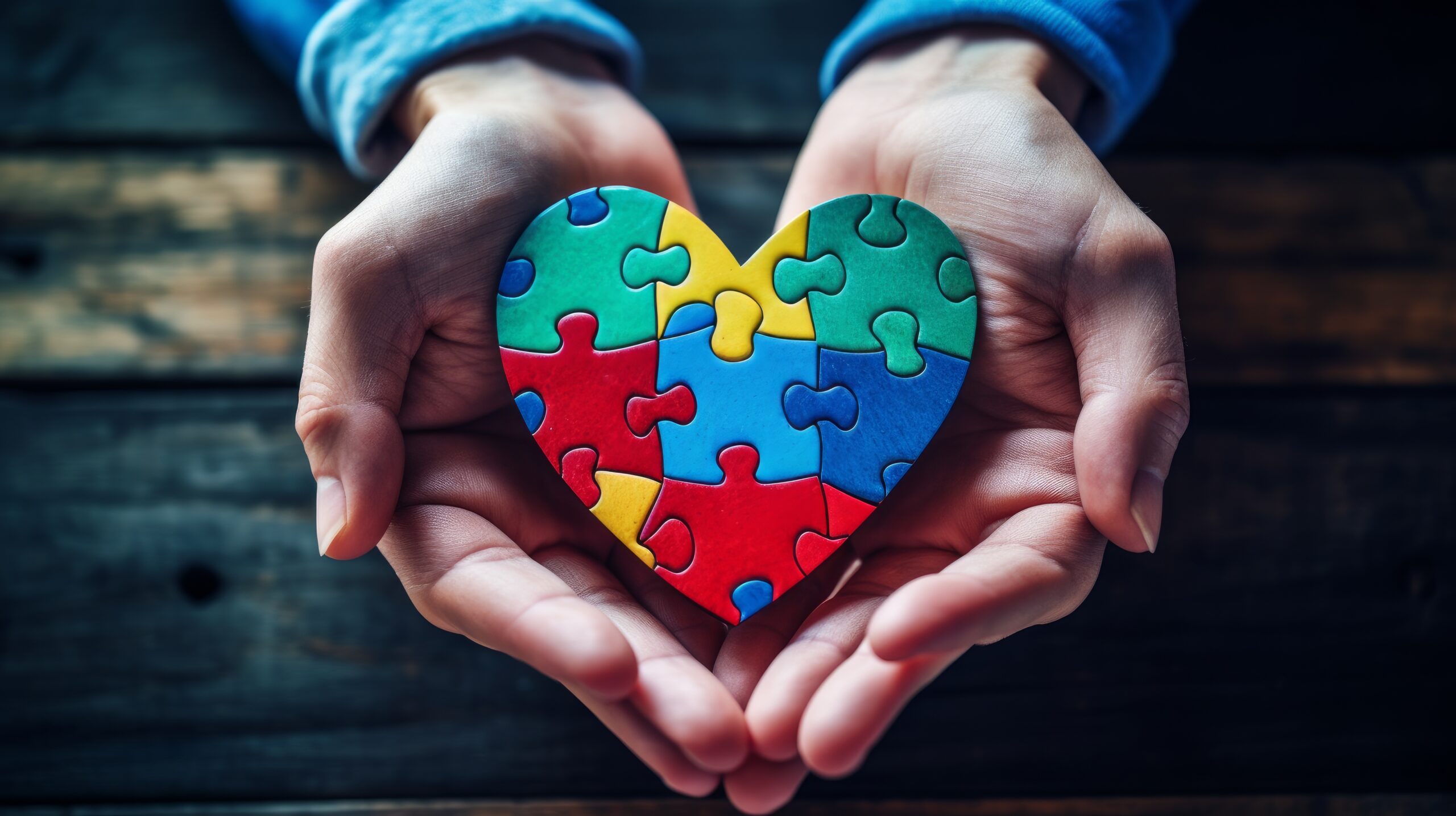
Autism spectrum disorder (ASD) is a neurological and developmental disorder that affects how a person experiences social situations, processes sensory input, and communicates. Some people with ASD may have strong routines or engage in repetitive behaviors, while others may struggle with emotional regulation or understanding social cues. The term “spectrum” reflects the wide range of strengths and challenges people with ASD experience.
ASD may include individuals who were previously diagnosed with Asperger’s syndrome, childhood disintegrative disorder, or other now-unified developmental disorders.
Autism and Substance Use: A Complex Overlap
People with ASD aren’t immune to substance use disorders. In fact, some autistic adults turn to substances to manage overwhelming sensory input, unaddressed mental health issues, or the pressure of navigating everyday life in a neurotypical world. This can become a coping mechanism—especially for those also living with anxiety disorders, sleep disorders, or past trauma.
Unfortunately, standard addiction treatment environments can feel overstimulating or unsafe for autistic people, making it harder to overcome addiction in a sustainable way.
What Makes a Rehab Autistic Friendly?
An autistic friendly drug rehab understands that recovery isn’t one-size-fits-all. It might involve:
Private, low-stimulation environments
Therapists trained in neurological differences and ASD
Clear structure and routines
Visual aids or written materials to support communication
Alternatives to group therapy, or modified groups with smaller, consistent participants
A nonjudgmental, sensory-aware environment
These features are what distinguish a spectrum friendly rehab center from a traditional one.

Can Cognitive Behavioural Therapy (CBT) Help?
Cognitive behavioural therapy (CBT) is commonly used in addiction treatment to help people build coping strategies, reframe negative thought patterns, and manage anxiety. For some autistic individuals, CBT can be helpful—especially when it’s adapted to align with the person’s communication style and cognitive needs.
Supporting Co-Occurring Disorders at Ocean Ridge
While Ocean Ridge doesn’t specialize in autism-only care, we offer treatment for co-occurring disorders—including substance abuse alongside anxiety, depression, PTSD, and other mental health conditions. Our team understands how difficult it can be to seek treatment when you’re neurodivergent. We work hard to create a space where every person feels seen, supported, and safe—regardless of where they fall on the autism spectrum.
A Note for Loved Ones
If you’re supporting someone with an autism diagnosis who is also struggling with substance abuse, know that you’re not alone. It’s OK to ask for help. Recovery can look different for neurodivergent individuals, but it is possible—especially when care is personalized and grounded in respect.
Find Support That Works for You
If you or someone you love is seeking an autistic friendly drug rehab or spectrum friendly rehab center for co-occurring challenges, Ocean Ridge is here to help. Reach out today. Our beautiful, luxury facility in Orange County offers a calming, supportive place to heal—because every brain deserves compassion and care.
Start Your Journey By Getting Help Today
Our medical, clinical, and counseling staffs on site are available 24/7.
FAQs About Autism and Addiction Treatment
What are common autism symptoms that can affect addiction treatment?
Autism symptoms vary widely, but some that may affect addiction treatment include difficulty with social communication, restricted and repetitive behaviors, sensory sensitivities, and challenges with emotional regulation. These traits may make traditional group-based treatment settings overwhelming, which is why it’s important to seek programs that accommodate individual needs.
Are there treatment programs designed for autistic individuals with addiction?
While not all rehabs are tailored specifically for neurodivergent people, some treatment programs—like those that treat co-occurring disorders—can support autistic individuals with addiction. These programs often provide structure, flexibility, and therapists trained in neurodiversity, helping people feel safer and more understood.
How does treating addiction differ for someone on the autism spectrum?
Treating addiction in autistic individuals may involve a greater focus on routine, one-on-one therapy, and reducing sensory overload. Therapies may be adapted to match communication styles and address challenges with social interaction or executive functioning. The key is to individualize care and build trust.
What other co-occurring disorders are common alongside autism and addiction?
Autistic individuals with addiction may also struggle with other co-occurring disorders such as anxiety disorders, depression, PTSD, ADHD, or sleep disorders. Identifying and treating these conditions alongside substance use is essential for long-term recovery.
Can integrative medicine help with autism and addiction?
Integrative medicine—which may include nutrition, mindfulness practices, and complementary therapies—can be a useful addition to traditional treatment for both addiction and autism. While it isn’t a standalone cure, it can help reduce stress, support overall wellbeing, and improve quality of life.
What should a treatment plan for an autistic person in recovery include?
Effective treatment plans for autistic people in recovery often include individualized therapy, sensory-friendly environments, modified group sessions, family involvement, and accommodations for communication needs. The plan should reflect the person’s cognitive style, support needs, and goals.
What are the risk factors for substance use in autistic people?
Some of the risk factors for substance use in autistic individuals include social isolation, undiagnosed mental health conditions, bullying or trauma, and using substances to cope with sensory overwhelm. Additionally, late or missed diagnoses can contribute to a sense of confusion or disconnection, increasing vulnerability to addiction.
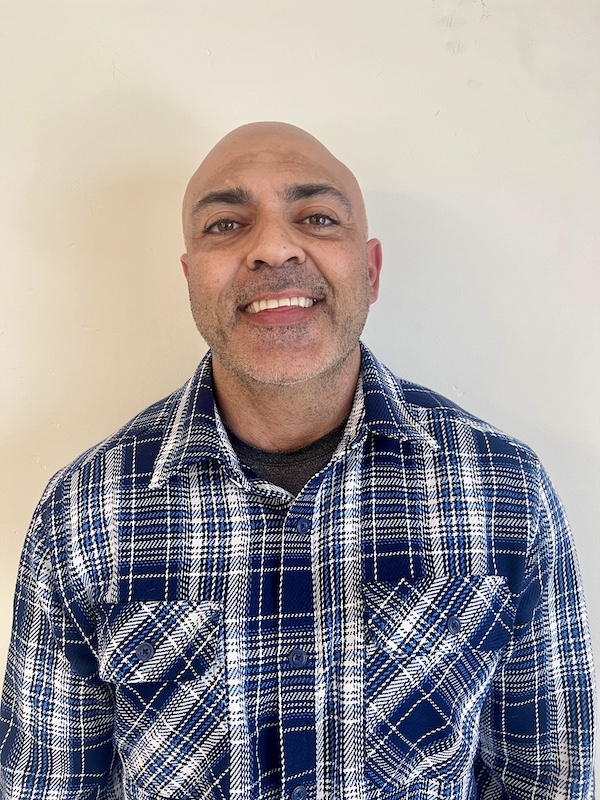
Bobby Nassiri is a seasoned Program Director and Business Development Director with over 12 years of experience in the behavioral health industry. Since earning his CADCII counselor certification in 2017, Bobby has been dedicated to improving the lives of individuals through compassionate care and innovative program development. Bobby’s expertise spans a wide range of areas, including strategic business growth, program management, and client counseling. His comprehensive approach to behavioral health ensures that every program he directs is both effective and empathetic, catering to the unique needs of each individual client. Outside of his professional endeavors, Bobby enjoys spending quality time with friends and family, practicing Brazilian jiu jitsu, and attending concerts. His diverse interests and commitment to personal well-being reflect his holistic approach to life and work.