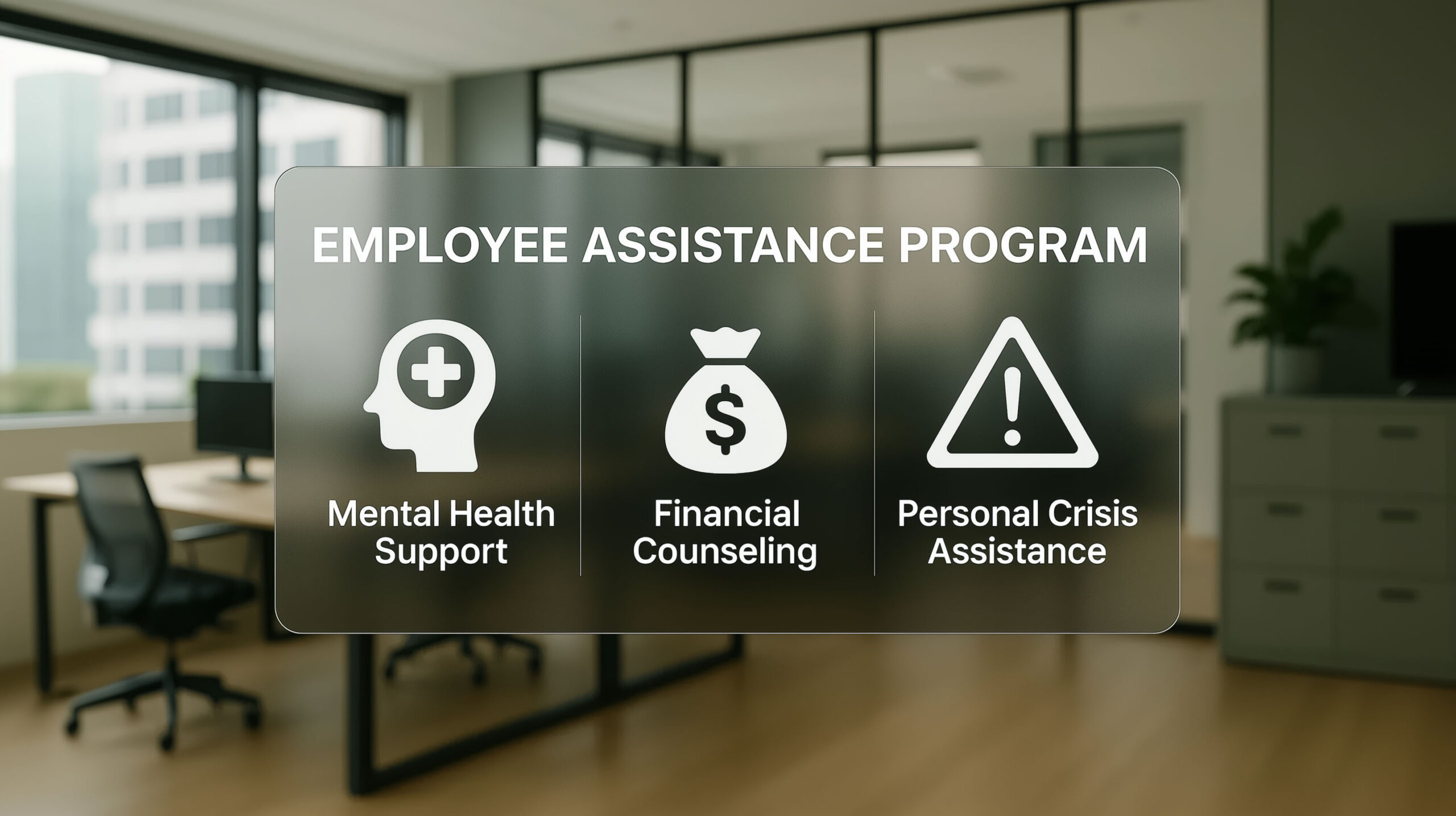
Microsoft supports employee well-being through a range of benefits, including the Microsoft Employee Assistance program, known internally as the Microsoft CARES Employee Assistance Program. This resource offers confidential help for emotional struggles, mental health concerns, and substance use issues—all at no cost to the employee.
Alongside questions about support, many people also wonder, “Does Microsoft drug test?” The answer depends on several factors, including job role and location. Understanding how the Microsoft EAP works—and how it connects to workplace expectations like drug testing—can help employees make informed decisions and seek help when needed.
Start Your Journey By Getting Help Today
Our medical, clinical, and counseling staffs on site are available 24/7.
Overview of the Microsoft EAP Program
The Microsoft EAP program, officially called Microsoft CARES, is a confidential support service offered to Microsoft employees and their families. Like many large companies, Microsoft understands that stress, emotional challenges, and work-life issues can impact job performance and overall well-being.
Through the Microsoft EAP program, employees can access:
- Short-term counseling sessions
- Legal and financial support
- Referrals for mental health or addiction treatment
- 24/7 crisis support and phone-based counseling
Microsoft CARES is available to full-time and part-time employees, as well as eligible household members. These services are free to use and are provided through third-party partners to ensure privacy and confidentiality.
What Is the Microsoft CARES Employee Assistance Program?
The Microsoft CARES program is Microsoft’s branded version of a traditional EAP. It provides comprehensive emotional and mental health support for employees facing personal or work-related difficulties.
The CARES program is designed to help with a wide range of issues, such as:
- Anxiety and depression
- Workplace stress or burnout
- Family or relationship challenges
- Substance use and addiction concerns
- Grief, trauma, or crisis situations
Support is available globally, in multiple languages, and employees can choose between phone, video, or in-person sessions, depending on their location.
Importantly, all services through Microsoft CARES are confidential, and participation is never shared with managers or HR teams.
Does Microsoft Drug Test Its Employees?
Many people ask, “Does Microsoft drug test?” The short answer is: not for most positions. Here’s a more detailed look at the Microsoft drug test policy:
Pre-employment Drug Testing at Microsoft
Microsoft doesn’t require pre-employment drug testing for most roles in software engineering, marketing, design, operations, or other corporate departments.
However, Microsoft may drug test if:
- The role is tied to a federal contract or defense project
- The job involves security clearance or government-regulated access
- The position is considered safety-sensitive, such as working in a lab or hardware testing environment
Random or Ongoing Drug Testing
There is no routine or random drug testing for general Microsoft employees. Exceptions may apply for roles under legal or federal oversight.
Post-Accident or Suspicion-Based Testing
If a workplace incident occurs—or if there is a strong reason to believe someone is impaired—Microsoft may initiate a reasonable suspicion drug test. This is a common policy in large organizations for liability and safety reasons.
Cannabis Use and Microsoft’s Stance
Microsoft follows state and local laws regarding cannabis. In states where marijuana is legal for recreational or medical use, Microsoft doesn’t penalize off-duty use, unless the position is subject to federal drug policies or legal restrictions.
How Microsoft EAP Supports Employees With Addiction and Substance Use Issues
The Microsoft EAP program, through CARES, gives employees a private way to seek help for substance use concerns. Support may include short-term counseling, referrals to outside providers, and guidance on taking time off for treatment.
In more serious cases, employees can use EAP referrals to access confidential rehab programs outside of Microsoft. Some choose to continue care with private treatment centers that specialize in working with professionals—quietly and with respect for privacy.
Using Microsoft EAP Benefits to Access Treatment at Ocean Ridge
For Microsoft employees seeking more than short-term counseling, the Microsoft CARES Employee Assistance Program can be used to access comprehensive rehab services. EAP benefits often include referrals and coverage for structured treatment, including residential programs like Ocean Ridge.
At Ocean Ridge, we work directly with Microsoft EAP referrals to support employees in need of addiction and mental health care. Our team understands how to coordinate with EAP benefits, making the process simple, discreet, and fully confidential.
Our rehab for Microsoft employees provides:
- Seamless collaboration with Microsoft CARES referrals
- Personalized care for professionals in high-pressure roles
- A private, clinically-focused environment ideal for long-term recovery
If you’re a Microsoft employee navigating addiction or mental health challenges, contact Ocean Ridge today to learn how your EAP benefits can support your next step toward healing.
Final Thoughts on Microsoft EAP and Drug Testing Policy
Microsoft CARES, the company’s EAP program, is a valuable resource for employees facing personal or emotional challenges, including those related to substance use. With confidential counseling, referral services, and crisis support, Microsoft makes it easier for employees to seek help without stigma.
While the company doesn’t drug test for most roles, it’s important to understand when testing may apply and how you can use support systems like CARES to access treatment. For those needing a higher level of care, EAP benefits can often be applied toward trusted rehab programs.
Ocean Ridge works closely with EAP referrals, including Microsoft CARES, to provide the support professionals need to begin recovery with confidence and privacy. Start your journey today.
Start Your Journey By Getting Help Today
Our medical, clinical, and counseling staffs on site are available 24/7.
FAQs About Microsoft's Employee Assistance Program and Drug Testing Policy
Can I request time off through Microsoft EAP for addiction treatment?
Yes, Microsoft EAP (CARES) can help connect you with behavioral health providers and also assist with planning a leave of absence if intensive treatment is recommended. In many cases, employees can take medical leave under FMLA or short-term disability, depending on eligibility and state laws.
Will my Microsoft EAP cover the cost of rehab treatment?
The Microsoft EAP itself doesn’t directly pay for long-term rehab, but it provides referrals and short-term counseling. If you’re referred to a treatment program, costs are usually covered under your Microsoft health insurance plan, depending on your benefits and provider network.
Can I choose my own rehab provider, or do I have to use one selected by Microsoft?
Employees can often choose their preferred treatment provider, even outside the EAP referral list, as long as the provider accepts your insurance. Our programs at Ocean Ridge work with EAP-linked referrals and private insurance plans.
Does Microsoft’s drug testing policy apply during or after rehab?
If your role didn’t previously require drug testing, it typically will not be enforced during or after treatment. However, employees in safety-sensitive or regulated positions may be subject to follow-up testing as part of a return-to-work plan.
Is using Microsoft EAP for addiction treatment completely confidential?
Yes, all interactions with Microsoft CARES are confidential. Your employer won’t be notified that you’ve used EAP services or sought help unless you choose to disclose it. Any medical leave related to treatment is handled through HR or disability channels under strict privacy rules.

Simon Abkarian is the Admissions Director with a focus on client care, overseeing comfort, and ensuring exceptional service. With four years of dedicated experience, Simon is committed to the success and well-being of every individual he serves. He brings a strong foundation in his own recovery journey, providing empathetic support and guidance to those seeking assistance.
Beyond his professional role, Simon is passionate about fostering a supportive environment and empowering others on their paths to recovery. His personal commitment to wellness and growth enriches his approach to admissions and client care, ensuring a compassionate and effective support system for all.