It’s more common than people think—turning to substances like paint thinner for a quick high. But what starts off feeling harmless can spiral into a dangerous cycle. At Ocean Ridge, where we offer luxury treatment in two stunning Southern California homes, we’ve seen firsthand how volatile substances like paint thinner can take over someone’s life.
Start Your Journey By Getting Help Today
Our medical, clinical, and counseling staffs on site are available 24/7.
Whether you’re here for yourself or someone you love, we want you to know you’re not alone—and recovery is possible.
What Is Paint Thinner Inhalation?
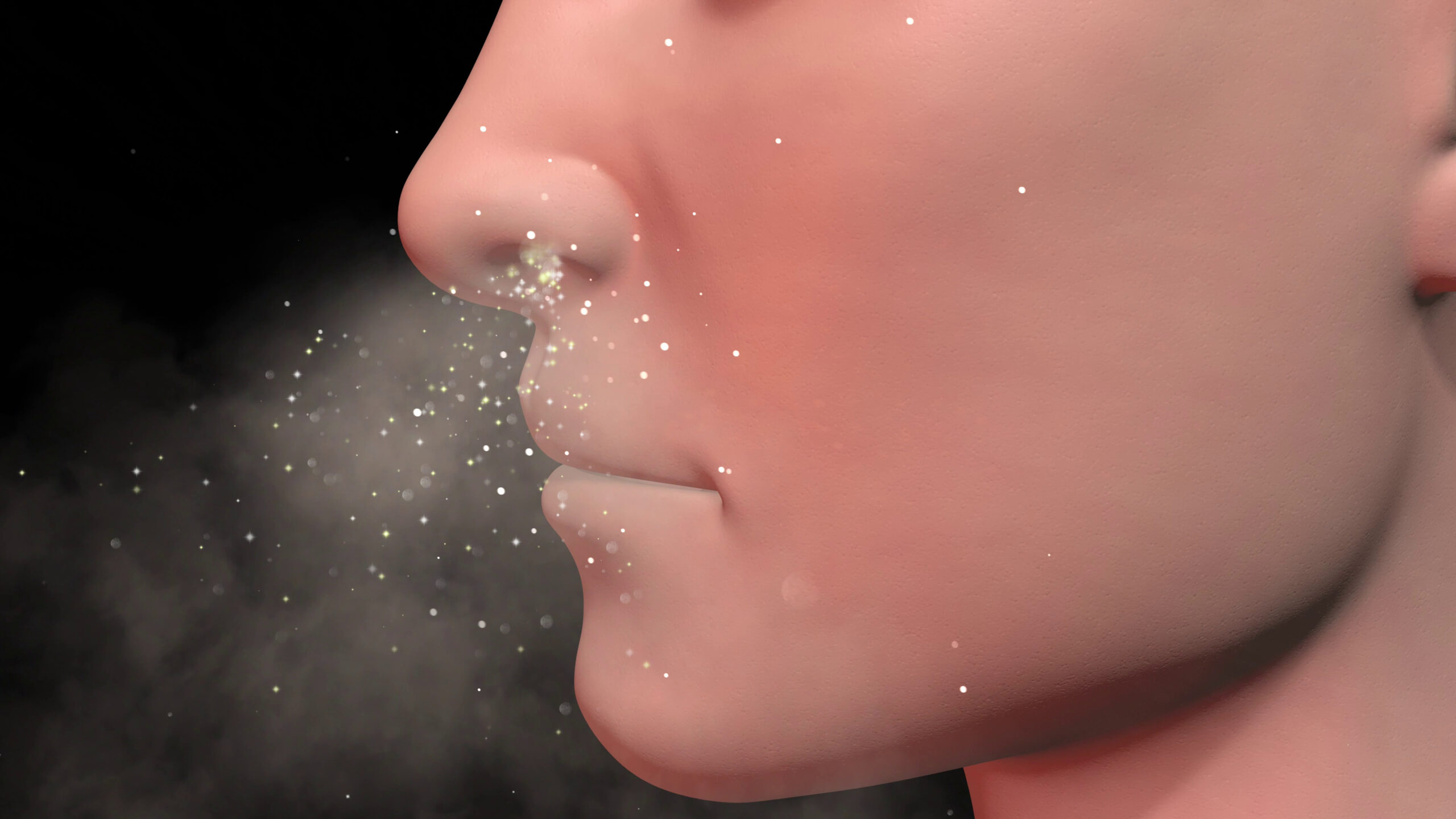
Inhaling paint thinner—often done by soaking a cloth and breathing it in or placing it in a plastic bag to concentrate the fumes—is a form of solvent inhalation. Paint thinner contains volatile organic solvents like toluene, which can produce a rapid, short-lived high. These chemicals directly affect the nervous system, and their use falls under the broader category of inhalant abuse.
Because paint thinner is easily found in homes and hardware stores, it’s especially dangerous for teens or anyone looking for accessible ways to get high. But these chemicals were never intended for human consumption—and using them in this way comes with serious risks.
The Dangers of Paint Thinner Inhalation
When someone inhales paint thinner vapors, they’re exposing themselves to toxic chemicals that can cause immediate and long-term damage. The short-term effects might include dizziness, nausea, breathing difficulty, and severe pain in the head or chest. Prolonged use can damage organs and impair brain function, especially in developing teens or those with existing mental health challenges.
More severe outcomes can include:
Blood pressure changes (either spikes or dangerous drops)
Rosen’s Emergency Medicine cites cases of organ failure and even coma
Risk of sudden death, especially when combined with other substances
Long-term nervous system damage
If a person breathed in a large quantity of fumes or shows symptoms like confusion, vomiting, or fainting, it’s crucial to contact your local poison control center or the national toll-free poison hotline for immediate guidance.

Can I Die From Paint Thinner?
Yes. Inhaling paint thinner is not just dangerous—it can be fatal. Case reports in medical literature describe deaths from acute unintentional inhalation of paint thinner fumes, leading to multi‑organ toxicity and rapid deteriorations in health. Inhalant abuse like this can cause sudden cardiovascular failure, severe oxygen deprivation, or other life‑threatening complications.
When to Seek Help for Paint Thinner Sniffing
Sometimes, someone who struggles with paint thinner inhalation might not realize how serious the situation has become until they’re facing health complications or can’t go a day without using. If you’re noticing signs of dependency or withdrawal, or if someone has experienced actual poison exposure, now is the time to reach out.
At Ocean Ridge, we provide individualized care in an environment designed for healing. Our treatment includes detox support, therapy tailored to your unique needs, and guidance on how to navigate both recovery and everyday life. Our luxury homes offer a peaceful and private setting to begin this work, surrounded by compassionate professionals who understand.
You’re Not Alone
If you or someone you love is using paint thinner, it’s not a moral failing or a dead end—it’s a signal that something deeper needs care. Whether it’s stress, trauma, or a desire to escape, Ocean Ridge is here to walk alongside you as you take your life back. Reach out today, and we’ll help you figure out the next step.
Start Your Journey By Getting Help Today
Our medical, clinical, and counseling staffs on site are available 24/7.
FAQs About Paint Thinner Abuse
What happens if paint thinner is swallowed?
If poison swallowed, such as paint thinner, it can damage the airway or gastrointestinal tract and cause symptoms like nausea, vomiting, abdominal pain, and difficulty breathing. Do not induce vomiting unless instructed by a professional. Instead, seek immediate help from your local poison control center or the national toll-free poison hotline at 1-800-222-1222.
Is there a free and confidential service I can call if I’m worried about inhalant exposure?
Yes. The national poison hotline offers a free and confidential service 24/7. Whether you or someone you love has inhaled, ingested, or come into contact with a potentially dangerous substance, you can call 1-800-222-1222 for expert help. You can also call 911 to be taken to the emergency room.
What are solvent vapors and why are they dangerous?
Solvent vapors are fumes released by substances like paint thinner, glue, and aerosol sprays. Inhaling them can depress the central nervous system, damage the lungs, and even cause sudden death. These vapors are highly toxic and were never intended for inhalation.
What should I do for poison prevention at home?
To practice poison prevention, store paint thinners, aerosol sprays, and other volatile products out of reach of children and teens. Keep containers tightly sealed, never sniff or taste products, and dispose of unused substances safely.
What are the signs someone may have been exposed to such poisons?
If someone has come into contact with such poisons, they may appear dizzy, confused, short of breath, or may faint. You might also notice chemical smells on their clothing or breath. If you suspect actual poison exposure, call Poison Control immediately.
Should I make a person throw up if they’ve inhaled or swallowed paint thinner?
No. Never make a person throw up unless a medical professional has advised it. Inducing vomiting can lead to further damage to the airway or gastrointestinal tract. Call Poison Control for specific instructions based on the type and amount of substance involved.

Simon Abkarian is the Admissions Director with a focus on client care, overseeing comfort, and ensuring exceptional service. With four years of dedicated experience, Simon is committed to the success and well-being of every individual he serves. He brings a strong foundation in his own recovery journey, providing empathetic support and guidance to those seeking assistance.
Beyond his professional role, Simon is passionate about fostering a supportive environment and empowering others on their paths to recovery. His personal commitment to wellness and growth enriches his approach to admissions and client care, ensuring a compassionate and effective support system for all.