If you or someone you care about has been using kratom—or you’re just hearing about it for the first time—you might be wondering what all the fuss is about. At Ocean Ridge, we’ve helped many people navigate the confusing and often overwhelming world of “natural” drugs like kratom. And while it might sound like a harmless herbal supplement, the truth is a lot more complicated.
Start Your Journey By Getting Help Today
Our medical, clinical, and counseling staffs on site are available 24/7.
Kratom is often marketed as a natural remedy for pain relief or a way to ease symptoms of opioid withdrawal. But this plant, native to Southeast Asia, has a dark side—especially when misused. So, let’s break it down in simple terms: what kratom is, what it does to your body, why it can be risky, and how to get help if you’re struggling.
What Is Kratom?
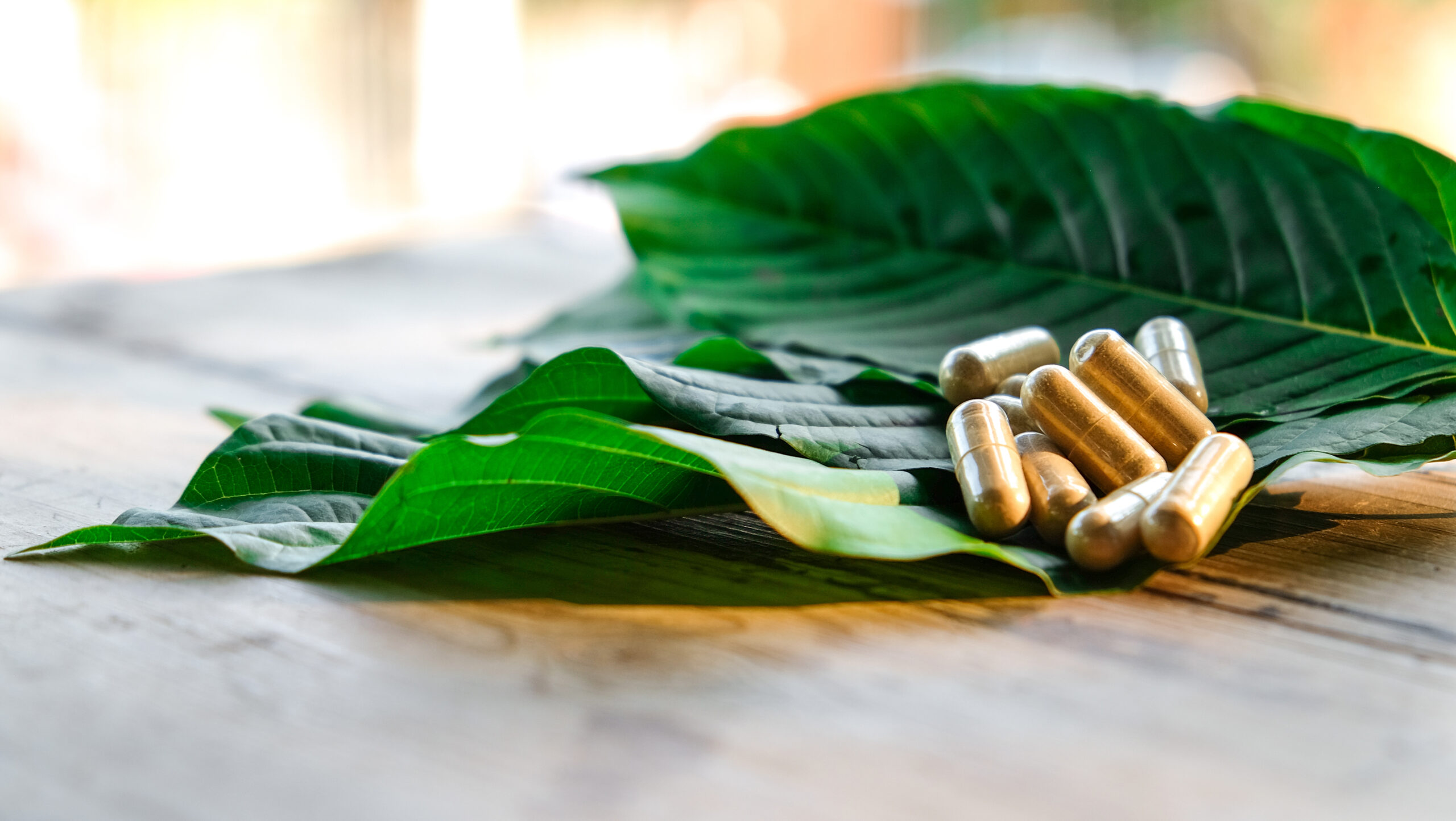
Kratom comes from the leaves of a tropical tree (Mitragyna speciosa) native to Southeast Asia, where it has been used for centuries for its stimulant effect at low doses and analgesic effects at higher doses. In places like Thailand and Malaysia, it’s sometimes brewed into tea or chewed by laborers looking to stay energized.
In the U.S., kratom products are sold in head shops, gas stations, and online in the form of powders, capsules, kratom extracts, and even energy drinks. It’s often labeled as a dietary supplement, which can make it seem safer than it really is.
Why Do People Use Kratom?
Many kratom users start out with good intentions. Some use it for chronic pain, others to help with opioid withdrawal or even to cope with anxiety or depression. It interacts with the mu opioid receptors in the brain—the same receptors activated by drugs like morphine or heroin—which is why it can mimic the effects of opioids.
But here’s the problem: the line between “natural remedy” and drug abuse can get blurry fast.

Is Kratom Addictive?
Short answer: yes, kratom is addictive, especially when used frequently or in high doses.
Even though it’s not classified as a controlled substance at the federal level (yet), the Drug Enforcement Administration (DEA) and Substance Abuse and Mental Health Services Administration (SAMHSA) have both issued warnings about its potential for abuse, dependence, and serious side effects.
Over time, people can develop a tolerance, needing more to feel the same effects—leading to a pattern of kratom addiction that’s hard to break.
Side Effects of Kratom
The side effects vary depending on the dose and the person, but common reactions include:
Nausea and vomiting
Itching
Sweating
Constipation
Drowsiness or sedation
Respiratory depression (in severe cases)
Confusion or hallucinations
High blood pressure and rapid heartbeat
Serious health risks like nerve damage or liver issues in long-term use
Mixing kratom with other drugs or prescription opioids increases the risk of dangerous drug interactions and overdose.
Kratom Withdrawal Symptoms
Just like opioids, quitting kratom after heavy or long-term use can lead to withdrawal symptoms such as:
Insomnia
Muscle aches
Irritability
Mood swings or depression
Diarrhea
Tremors
Cravings
Some people describe it as a milder version of opioid withdrawal, but that doesn’t make it easy—especially when trying to stop on your own.
Is Kratom Safe?
That’s a tricky question. Some people believe kratom is safe because it’s legal in many places and comes from a plant. But legal doesn’t always mean harmless. There’s still so much we don’t know about the long-term effects of using kratom, and the Food and Drug Administration (FDA) has not approved it for any medical use.
In fact, recent kratom reports link the drug to hospitalizations, kratom exposures in children, and even cases of neonatal abstinence syndrome in babies born to mothers who used it during pregnancy.
Can I Die From Using Kratom?
Yes. While kratom is often marketed as a natural herbal supplement, evidence shows it has been involved in fatal overdoses. Between July 2016 and December 2017, the CDC identified at least 91 deaths in the U.S. where kratom was detected, with several cases where kratom alone was found — highlighting a real risk of death associated with its use, particularly when combined with other substances. Additionally, many people struggling with sobriety tend to use kratom to “take the edge off” only to relapse on their original drug.
What to Do If You’re Struggling with Kratom Use
If you’re starting to worry that kratom use is becoming a problem, you’re not alone—and help is out there.
At Ocean Ridge, we understand the unique challenges of kratom addiction, especially when it’s tied to past opioid use disorder, trauma, or mental health struggles. Our caring team offers personalized treatment for people dealing with substance abuse, including evidence-based therapy, group support, and compassionate medical care to help you manage withdrawal symptoms safely.
Whether you’re looking for residential care or more flexible outpatient options, we’ll meet you where you’re at and guide you through the recovery journey—without judgment, and with real support.

Start Your Healing Journey at Ocean Ridge
Don’t wait until things get worse. If you’re unsure about whether your kratom use is a problem, reach out to Ocean Ridge today. We’re here to listen, offer guidance, and help you build a plan that works for you.
Because recovery is possible. And you don’t have to go through it alone.
Start Your Journey By Getting Help Today
Our medical, clinical, and counseling staffs on site are available 24/7.

Simon Abkarian is the Admissions Director with a focus on client care, overseeing comfort, and ensuring exceptional service. With four years of dedicated experience, Simon is committed to the success and well-being of every individual he serves. He brings a strong foundation in his own recovery journey, providing empathetic support and guidance to those seeking assistance.
Beyond his professional role, Simon is passionate about fostering a supportive environment and empowering others on their paths to recovery. His personal commitment to wellness and growth enriches his approach to admissions and client care, ensuring a compassionate and effective support system for all.