Quick Answer: State EAP resources are programs, directories, and support systems that help you access Employee Assistance Programs (EAPs) and related mental health or addiction support. They provide a starting point for confidential counseling and referrals, but they are not a replacement for long-term treatment.
Start Your Journey By Getting Help Today
Our medical, clinical, and counseling staffs on site are available 24/7.
What Are State EAP Resources?
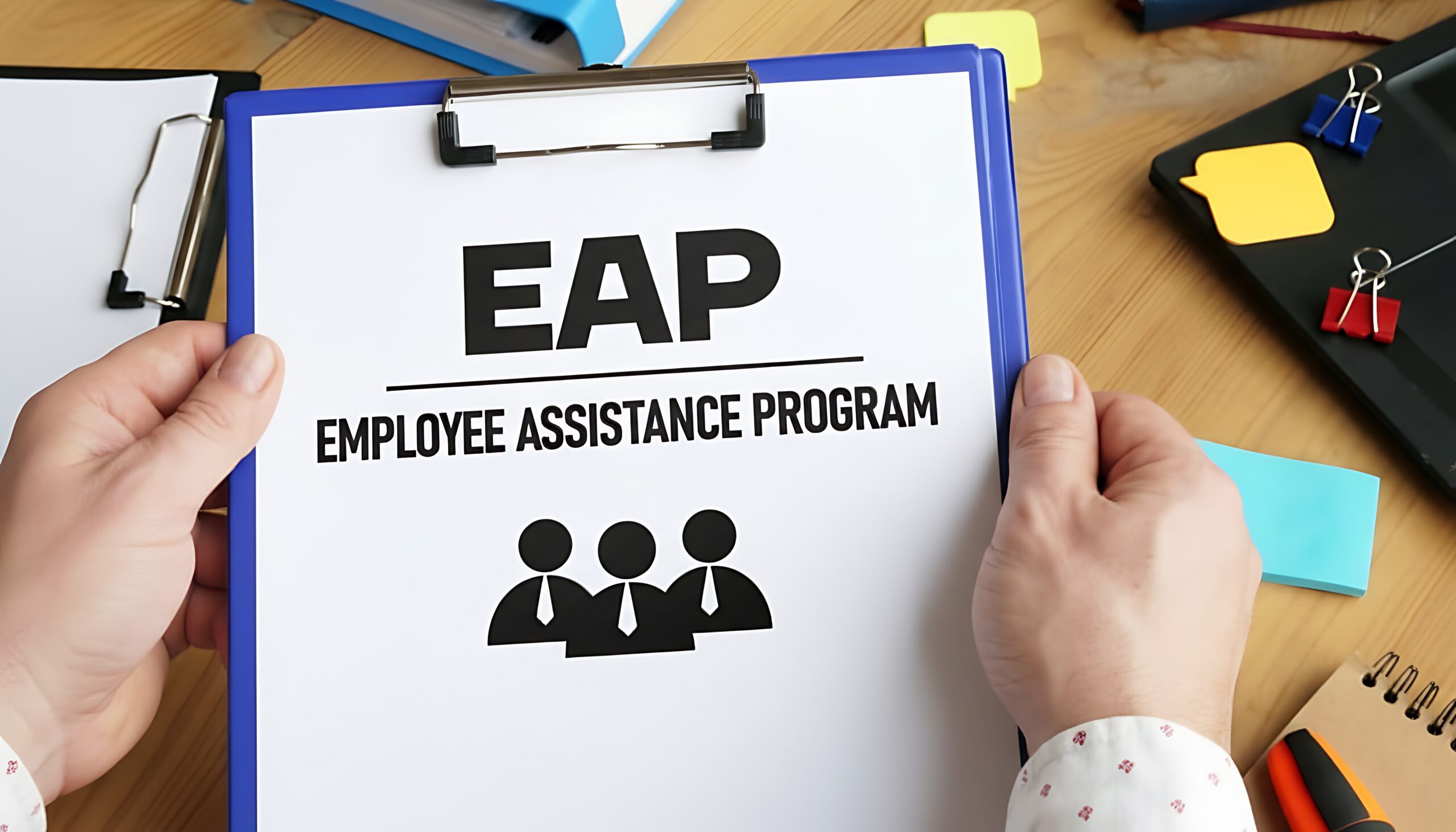
State EAP resources refer to the networks and tools that help individuals find and access Employee Assistance Programs and similar support services. These may include employer-sponsored EAPs, public programs, and referral directories.
While most EAPs are offered through workplaces, state-level resources can help you understand what’s available beyond your employer and how to access support independently.
How Can You Find EAP Resources Through Your Employer?
The most direct way to access support is through your employer. Many organizations offer Employee Assistance Programs as part of their benefits package, even if they are not widely promoted.
You can usually find access by:
- Checking your employee benefits portal
- Reviewing onboarding or HR materials
- Contacting your HR department
- Looking for a dedicated EAP hotline or website
How Can State EAP Resources Help You Find Support?
If employer-based access is unclear or unavailable, state EAP resources can help guide you toward alternative options. These resources are designed to connect individuals with local or regional support services.
They can help you:
- Identify available EAP providers
- Understand how programs work
- Access public mental health or substance use treatments
- Find referral networks for counseling and treatment
This can be especially helpful if you are between jobs or exploring options on your own.
Where Should You Look for State EAP Resources?
If you are looking beyond your workplace, there are several reliable places to start for EAP resources.
State Health and Human Services Departments
State health departments often provide directories for mental health and substance use services. While they may not list EAPs directly, they can point you toward programs that offer similar support.
Professional EAP Associations
Organizations that oversee EAP providers often maintain directories. These can help you identify reputable programs and understand what services to expect.
Insurance Provider Networks
If you have health insurance, your provider may offer EAP-like services or direct access to counseling and referrals. Reviewing your plan can help you find these options.
What Should You Expect From State EAP Resources?
Employee Assistance Program resources are designed to provide early support and direction, not long-term treatment. Whether accessed through an employer or a public resource, most programs follow a similar structure.
You can typically expect:
- Confidential consultations
- Short-term counseling
- Assessments for mental health or substance use
- Referrals to therapy or rehab programs for professionals
- Guidance on next steps
How Do You Choose the Right EAP Resource?
The goal is to find a resource that is easy to access and provides clear guidance. Not all programs are the same, and choosing the right one depends on your situation.
It helps to consider:
- How confidential the program feels
- How many sessions are available
- Whether it includes referrals to ongoing care
- How quickly you can access support
These factors can shape how useful the resource is as a starting point.
Are State EAP Resources Free or Covered by Insurance?
Some EAP resources are free when offered through an employer. Others may be part of public programs or connected to your health insurance.
In many cases:
- Employer-sponsored Employee Assistance Programs are free for a limited number of sessions
- Public programs may offer low-cost or sliding-scale options
- Insurance plans may include similar services or referrals
Understanding how a program is funded can help you plan your next steps.
When Are State EAP Resources Not Enough?
State EAP resources can be helpful for getting started, but they are not designed to replace structured care. Their role is to provide early support and direction.
If concerns are ongoing, affect daily life, or do not improve with short-term help, a higher level of care may be needed. In these cases, EAP resources can still guide you toward more consistent and appropriate treatment options.
How Do EAP Resources Connect You to Treatment?
One of the most valuable aspects of Employee Assistance Program benefits is their ability to connect you to the right level of care. Instead of navigating options alone, you receive guidance based on your needs.
This process often includes:
- Referrals to outpatient or residential programs
- Guidance on insurance and coverage
- Support scheduling initial appointments
- Coordination between services when needed
This makes the transition into treatment more manageable.
How Should You Move Forward After Using EAP Resources?
Finding state EAP resources can be a practical first step if you are exploring mental health or addiction support. These programs help you understand your options and begin taking action without immediate pressure.
If you are unsure where to start, contact Ocean Ridge Recovery. We’ll help you explore structured care options to move forward with more clarity and confidence.
Start Your Journey By Getting Help Today
Our medical, clinical, and counseling staffs on site are available 24/7.
FAQs About State EAP Resources
How do you find EAP resources in your state?
Start with your employer, then explore state health departments, professional directories, and insurance providers for additional options.
Are state EAP resources free?
Some are free through employers, while others may be part of public programs or covered through insurance.
Can you access EAP resources without an employer?
Yes. State EAP resources, insurance providers, and professional directories may offer similar services even if you are not currently employed.
What do EAP resources typically include?
They usually include short-term counseling, assessments, referrals, and guidance on treatment options.
Are EAP resources enough for long-term support?
State EAP resources can help you get started, but ongoing care is often needed for long-term mental health or addiction recovery.

Simon Abkarian is the Admissions Director with a focus on client care, overseeing comfort, and ensuring exceptional service. With four years of dedicated experience, Simon is committed to the success and well-being of every individual he serves. He brings a strong foundation in his own recovery journey, providing empathetic support and guidance to those seeking assistance.
Beyond his professional role, Simon is passionate about fostering a supportive environment and empowering others on their paths to recovery. His personal commitment to wellness and growth enriches his approach to admissions and client care, ensuring a compassionate and effective support system for all.